 Strategy
Fit check
Is Fleet Commander: Pacific worth it for you?
We tell you who should skip it, too.
Play it if you…
Good fit- Historical naval strategy fans who want Pacific War campaigns
- Turn-based players who enjoy controlling sea zones and logistics
- Groups seeking hot-seat or multiplayer naval strategy
Skip it if you…
Saves you a refund- Players seeking rapid action may bounce off the long sequence of movement, placement, combat, control and repair phases.
- Players who want tactical battles without campaign-level positioning may find the focus on sea-area control and Victory Points too strategic.
- Players looking for a character-driven RPG or land-focused strategy game will find the scope centered on naval forces, aircraft and Marines.
Our take on Fleet Commander: Pacific
The bounce point is the turn structure: players must coordinate patrols, aircraft, submarines, raids, landings, repairs and sea-control scoring before the next turn begins. Anyone expecting battles to carry the game may hit a wall when movement and logistics determine which engagements can happen.
What is Fleet Commander: Pacific?
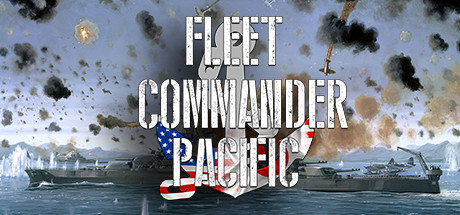
Fleet Commander: Pacific recreates the Pacific naval war from 1941 to 1945 as a turn-based grand strategy game.
Ten turns cover four months each, with alternating phases for reinforcements, patrol movement, aircraft placement, amphibious movement, submarine deployment, raids, battles, landings, control checks and repairs. Players contest key sea areas for side-specific Victory Points, capture bases through assaults or isolation, and manage ships, planes, Marines and repairs. Battles alternate between air and surface rounds, with targeting, damage, retreats and possible carrier raids. Major battleships, carriers and heavy cruisers appear as individual units, while smaller forces use groups and flotillas. Scenarios vary in length and difficulty, with hot-seat, AI and multiplayer modes.
How Fleet Commander: Pacific plays
- 01Sea control objectives
- Victory Points are awarded for holding strategic waters, with different values for each side.
- 02Alternating turn phases
- Each four-month turn proceeds through movement, combat, landings, control checks, port returns and repairs.
- 03Naval combat rounds
- Players choose between air and surface engagements, while damage, screening, retreats and pursuit affect the outcome.
- 04Base capture operations
- Marines can seize enemy bases directly, while ports and bases can also change hands after two turns of isolation.
- 05Multiple play modes
- Scenarios can be played against the AI, in hot-seat sessions or in multiplayer mode.
- 06Variable scenarios
- The game includes scenarios with differing durations and difficulty levels.
Games like Fleet Commander: Pacific
Strategy Strategy
Age of Viking Conquest
Argonauts InteractiveFor:Strategy players who want historical Viking-era territorial campaignsSkip if:Players seeking fast, real-time battles rather than turn-based phases and seasonal restrictions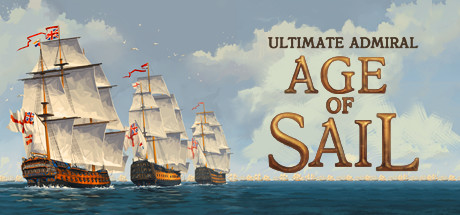 Strategy
Ultimate Admiral: Age of Sail
Game-LabsFor:Naval strategy players who want wind and ship positioning to affect combatSkip if:Players who want battles without detailed sailing, positioning, and ship damage systems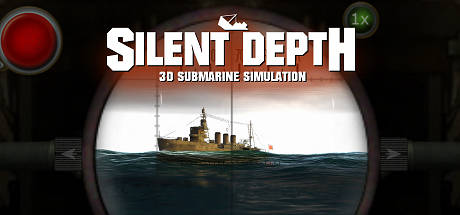 Strategy
Silent Depth 3D Submarine Simulation
CodeknittersFor:WWII naval history fans who want submarine command rather than land combatSkip if:Players seeking fast, arcade-style action may find extended patrols and submarine management slow-paced.Picked by overlapping fit notes and genres, not an editorial comparison.
Fleet Commander: Pacific: platforms & release
Is Fleet Commander: Pacific worth it?
It is worth it if: historical naval strategy fans who want Pacific War campaigns. Skip it if: players seeking rapid action may bounce off the long sequence of movement, placement, combat, control and repair phases.
Where can I download Fleet Commander: Pacific?
Use the Download Now button on this page: it opens Fleet Commander: Pacific's store page, where you can choose how to get it.
What platforms is Fleet Commander: Pacific on?
Windows and macOS.