 RPG
Fit check
Is Roguebook worth it for you?
We tell you who should skip it, too.
Play it if you…
Good fit- Roguelike deckbuilder fans who want runs built around two-character teams
- Strategy players who enjoy planning queued actions and managing battlefield positions
- RPG players seeking procedurally generated exploration with long-term unlocks
Skip it if you…
Saves you a refund- Players seeking a fixed campaign rather than procedurally generated maps and repeated runs
- Players who prefer direct character control over card assembly, positioning, and queued actions
- Players looking for a short experience, since full unlocks can take hundreds of hours
Our take on Roguebook
Rather than using a single hero and a fixed route, Roguebook makes two-character positioning part of its deckbuilding structure. Its changing hex-tile pages replace a standard set map, while repeated runs expand access to cards, relics, encounters, and difficulty levels.
What is Roguebook?
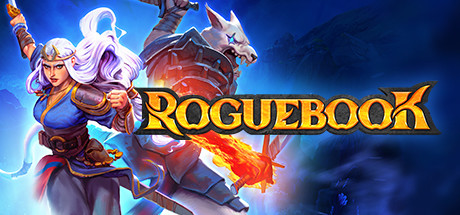
Roguebook is a roguelike deckbuilder set inside a living book, where each page presents a new challenge.
Choose two heroes from six pairs, then combine their cards, relics, abilities, and skill trees. Positioning matters: the front hero protects the one behind, and switching places can create different combinations. Battles require players to plan and queue actions against more than 40 enemies and bosses. During each run, more than 200 cards, 30 gems, and 80 relics provide deckbuilding and upgrade options.
Procedurally generated maps use hexagonal tiles and magic inks to reveal encounters such as merchants, travellers, ruins, and quests. Runs take about 20 hours on average, while full unlocks can take hundreds of hours. Twenty difficulty levels add tougher enemies and new rewards.
How Roguebook plays
- 01Two-Hero Teams
- Six available pairings let each run begin with two heroes, each offering over 50 cards, a relic, and a personal skill tree.
- 02Position-Based Combos
- The front character shields the rear character, while swapping positions changes how their abilities work together.
- 03Procedural Exploration
- Maps, mysteries, and hazards are generated anew, with hexagonal pages revealed through different ink patterns.
- 04Expandable Card Pools
- Runs draw from more than 200 cards, alongside 30 gems and 80 relics that alter deck and hero development.
- 05Difficulty Progression
- Twenty levels add stronger enemies and grant access to additional relics, gems, and encounters.
Games like Roguebook
RPG RPG
Million Dungeon
Boke Technology Co., LtdFor:Players who want match-3 combat tied directly to enemy positionsSkip if:Players seeking real-time combat may bounce off the one-turn-at-a-time battle structure RPG
Deck Adventurers - Origins
JunjoFor:Tactical card-game fans who want to modify individual cards, not just assemble a deckSkip if:Players seeking a grinding loop may find the lack of grinding a poor match.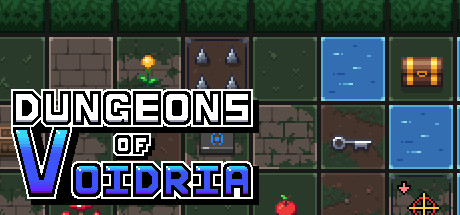 RPG
Dungeons of Voidria
ToblueFor:Roguelite fans who want turn-based combat built around queued skillsSkip if:Players seeking a fixed dungeon layout instead of changing runsPicked by overlapping fit notes and genres, not an editorial comparison.
Roguebook: platforms & release
Is Roguebook worth it?
It is worth it if: roguelike deckbuilder fans who want runs built around two-character teams. Skip it if: players seeking a fixed campaign rather than procedurally generated maps and repeated runs.
Where can I download Roguebook?
Use the Download Now button on this page: it opens Roguebook's store page, where you can choose how to get it.
What platforms is Roguebook on?
Windows, macOS and Linux.