
Fit check
Is Radio Commander: Vietnam '64 worth it for you?
We tell you who should skip it, too.
Play it if you…
Good fit- Strategy players who want command through reports and maps instead of direct battlefield control
- Vietnam War settings enthusiasts who prefer narrative decisions with consequences
- Players interested in managing varied military units and operational resources
Skip it if you…
Saves you a refund- Players seeking direct action, visible battlefield spectacle, or conventional real-time strategy controls
- Players who prefer short, uncomplicated sessions over radio interpretation, resource management, and morally difficult decisions
- Players looking for a broad empire-building or science-fiction military strategy game
Our take on Radio Commander: Vietnam '64
The radio-and-map structure creates a focused command experience, but it gives up direct visual awareness of combat. Decisions depend on interpreting delayed battlefield reports, so players seeking immediate control or constant action face a slower, more restrained format.
What is Radio Commander: Vietnam '64?
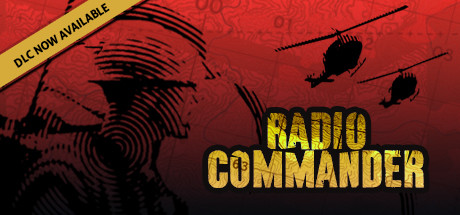
This strategy simulation places the player in command of U.
S. Army operations during the Vietnam War. Orders are issued through a radio, while a strategic map records unit positions, tokens, and notes. Battlefield information arrives through troop transmissions rather than direct visual access. The campaign contains 9 main missions, each offering several possible completions, supported by 9 animated briefings, over 200 dialogue blocks, and more than 600 story exchanges. Fifteen unit types can be directed, including infantry, evacuation helicopters, artillery, reconnaissance aircraft, armored personnel carriers, and napalm-equipped jets. Morale, supplies, stamina, fuel, terrain, weather, and friendly-fire risks affect decisions. Choices shape the narrative, soldier outcomes, and later replay possibilities.
How Radio Commander: Vietnam '64 plays
- 01Radio-Based Reports
- Operational information comes from voice transmissions by troops in combat rather than a direct battlefield view.
- 02Map Command Interface
- A strategic map supports tracking movements and recording information with markers and written notes.
- 03Branching Missions
- The 9 campaign missions can each reach several different conclusions.
- 04Fifteen Unit Types
- Command covers ground forces, evacuation helicopters, artillery, reconnaissance aircraft, armored carriers, and air-support units.
- 05Operational Management
- Morale, supplies, stamina, fuel, terrain, weather, and possible friendly casualties influence tactical decisions.
- 06Choice-Driven Outcomes
- Command decisions affect the campaign's course, soldier fates, and the events encountered during replay.
Radio Commander: Vietnam '64 compared to similar games
Xenonauts also centers on military command, but it uses small squads, turn-based combat, and direct encounters with extraterrestrials. Radio Commander instead focuses on Vietnam-era operations managed through radio reports, a strategic map, and decisions involving morale, supplies, stamina, and possible friendly casualties.
Radio Commander: Vietnam '64: platforms & release
Is Radio Commander: Vietnam '64 worth it?
It is worth it if: strategy players who want command through reports and maps instead of direct battlefield control. Skip it if: players seeking direct action, visible battlefield spectacle, or conventional real-time strategy controls.
Where can I download Radio Commander: Vietnam '64?
Use the Download Now button on this page: it opens Radio Commander: Vietnam '64's store page, where you can choose how to get it.
What platforms is Radio Commander: Vietnam '64 on?
Windows, macOS and Linux.