Fit check
Is Darkblade Ascent worth it for you?
We tell you who should skip it, too.
Play it if you…
Good fit- Action-RPG players who want melee combat built around dodging, parrying, and attack-pattern recognition
- Roguelike fans who prefer changing weapons, upgrades, and stage layouts between runs
- Players who want persistent progression alongside unlockable classes and elemental builds
Skip it if you…
Saves you a refund- Players seeking a story-led campaign may bounce off the repeated run structure and randomized progression.
- Players who prefer relaxed combat may hit a wall when enemy patterns require precise dodging, parrying, and timing.
- Players looking for ranged-first combat may find the focus on first-person melee weapons limiting.
- Players wanting a broad exploration game may find the emphasis on combat encounters and staged runs too narrow.
Our take on Darkblade Ascent
The bounce point arrives when combat demands pattern recognition rather than constant attacking. Players who do not adapt their timing for dodges, parries, and boss phases may stall before persistent perks and class progression compensate for failed runs.
What is Darkblade Ascent?
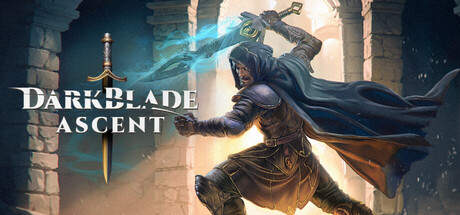
Darkblade Ascent is a first-person melee roguelike RPG built around repeated runs through dark-fantasy locations with randomized layouts.
Combat requires reading enemy attack patterns and choosing when to dodge, parry, use an ultimate ability, or strike. Weapons and upgrades vary between runs, including swords, spears, and axes with different combat roles. Progression includes unlockable classes, individual talent trees, and persistent perks gained after each playthrough. Each stage presents three randomly selected upgrades, from which one can be chosen. Element-focused builds include fire, lightning, and frost effects. Enemies have distinct abilities and attack patterns, while bosses use several phases.
How Darkblade Ascent plays
- 01Randomized Weapon Drops
- Runs provide changing combinations of weapon appearances, statistics, and upgrades, including swords, spears, and axes.
- 02Class Talent Trees
- New classes become available through progression, with class-specific talents and elemental effects such as burning, shocks, chill, and freezes.
- 03Persistent Perks
- Experience gained during runs can be spent on lasting character improvements after death.
- 04Tactical Melee Combat
- Success depends on responding to enemy patterns with attacks, dodges, parries, and ultimate abilities.
- 05Multi-Phase Bosses
- Boss encounters require changing tactics across several attack phases.
- 06Randomized Locations
- Hand-crafted dark-fantasy settings use different layouts across runs, including dungeons, villages, cathedral areas, and cemeteries.
Darkblade Ascent compared to similar games
Vagante is also a dark-fantasy adventure with monsters and roguelike structure, while Darkblade Ascent centers on first-person melee combat, randomized weapons, class talent trees, and persistent leveling. Vagante's description does not identify these first-person combat and class-progression systems.
Darkblade Ascent: platforms & release
Is Darkblade Ascent worth it?
It is worth it if: action-RPG players who want melee combat built around dodging, parrying, and attack-pattern recognition. Skip it if: players seeking a story-led campaign may bounce off the repeated run structure and randomized progression.
Where can I download Darkblade Ascent?
Use the Download Now button on this page: it opens Darkblade Ascent's store page, where you can choose how to get it.
What platforms is Darkblade Ascent on?
Windows only.