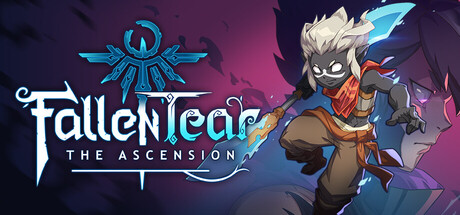
Fit check
Is Fallen Tear: The Ascension worth it for you?
We tell you who should skip it, too.
Play it if you…
Good fit- JRPG fans who want party relationships tied to combat and exploration
- Metroidvania players who prefer interconnected worlds with hidden routes and optional bosses
- Action-RPG players who enjoy adapting equipment and tactics during challenging fights
Skip it if you…
Saves you a refund- Players seeking a compact, linear adventure may find the interconnected world and multiple regions demanding.
- Players who prefer low-pressure combat may not enjoy battles centered on parrying, dodging, attack patterns, and boss encounters.
- Players looking for a completed story may not fit a release containing the opening act in Early Access.
Our take on Fallen Tear: The Ascension
The game combines exploration, party bonds, combat customization, boss tactics, and castle development. Players seeking a narrowly focused action platformer give up that simplicity for several connected progression systems.
What is Fallen Tear: The Ascension?
Fallen Tear: The Ascension follows Hira, a child destined to oppose ancient gods, through the high-fantasy world of Raoah.
It combines interconnected Metroidvania exploration with party-building inspired by classic JRPGs and challenging combat. Players slash, parry, dodge, change weapons and items, and adapt to enemy attack patterns. Bonds with 22 allies affect both fighting and traversal, while each companion offers skills, sidequests, and personal stories. The world contains more than 10 connected regions, six main bosses, three optional bosses, hidden routes, and environmental challenges. Hira can also develop the Temple of Oras by recruiting residents, completing minigames, and adding upgrades. This Early Access release includes the story's fully playable opening act.
How Fallen Tear: The Ascension plays
- 01Bond-based party
- Twenty-two recruitable companions contribute abilities to combat and movement, with individual sidequests and stories.
- 02Interconnected exploration
- Raoah includes more than 10 linked regions containing concealed routes, ruins, forests, and other challenges.
- 03Adaptive combat
- Hira can parry, evade, change weapons and items during battles, and respond to enemy attack patterns.
- 04Temple customization
- Minigames provide upgrades for developing the Temple of Oras and filling it with characters encountered across Raoah.
- 05Boss encounters
- The game includes six main bosses and three optional bosses, with opportunities to exploit each foe's weaknesses.
Fallen Tear: The Ascension compared to similar games
Ghost of a Tale emphasizes stealth, disguises, and conversations in an animal-populated medieval world, while Fallen Tear: The Ascension combines party bonds, active combat, and Metroidvania exploration. Vagante focuses on an adventure through dangerous dark-fantasy lands, whereas Fallen Tear includes 22 allies, castle development, and six main plus three optional bosses. Dungeon Defenders: Awakened combines cooperative action RPG play with tower defense; Fallen Tear instead centers on interconnected exploration and bonds that affect combat and traversal.
Fallen Tear: The Ascension: platforms & release
Is Fallen Tear: The Ascension worth it?
It is worth it if: JRPG fans who want party relationships tied to combat and exploration. Skip it if: players seeking a compact, linear adventure may find the interconnected world and multiple regions demanding.
Where can I download Fallen Tear: The Ascension?
Use the Download Now button on this page: it opens Fallen Tear: The Ascension's store page, where you can choose how to get it.
What platforms is Fallen Tear: The Ascension on?
Windows only.