 Simulation
Fit check
Is Species: Artificial Life, Real Evolution worth it for you?
We tell you who should skip it, too.
Play it if you…
Good fit- Players interested in natural selection who want to observe populations change without directing them.
- Sandbox players who want to intervene in food access or environmental conditions rather than only watch.
- Players who enjoy examining evolutionary histories and comparing species across a simulated ecosystem.
Skip it if you…
Saves you a refund- Players seeking a goal-driven campaign may find the open-ended simulation lacks a stated sequence of objectives.
- Players looking for a fixed, predictable progression may find that creature changes and species outcomes emerge from simulation forces.
- Players seeking factory-building puzzles may prefer a game centered on constructing production systems.
Our take on Species: Artificial Life, Real Evolution
The central choice is whether to let the simulation run on its own or intervene in evolution, from adjusting genes in a nursery to changing access to food.
What is Species: Artificial Life, Real Evolution?
Species: Artificial Life, Real Evolution simulates natural selection, with creatures defined by genes and offspring receiving random changes from their parents.
Environmental pressures affect their chances of survival, and populations can split into separate species. Play can focus on watching the tree of life develop from one species or on influencing it. An isolated nursery lets players adjust the gene pool; rovers can direct which creatures reach food, while events such as ice ages and floods can alter conditions across the world. To examine the resulting changes, the game provides a clade diagram of evolutionary steps, a satellite map showing species locations, a web of life for comparing gene-pool variation, and tools for inspecting individual creatures.
How Species: Artificial Life, Real Evolution plays
- 01Nursery gene editing
- An isolated area lets players make changes to the gene pool apart from the main simulation.
- 02Environmental interventions
- Rovers can influence food access, and global events such as floods or ice ages can change survival conditions.
- 03Evolution tracking tools
- A clade diagram, satellite map, and web of life show evolutionary history, species locations, and variation across the gene pool.
- 04Creature inspection
- Inspection tools expose details about individual creatures.
Games like Species: Artificial Life, Real Evolution
Simulation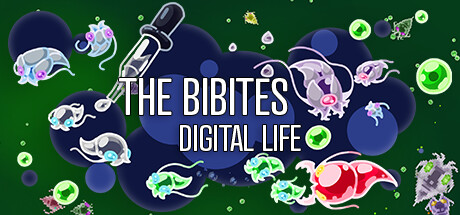 Simulation
The Bibites: Digital Life
Omnia StudiosFor:Simulation players who want to observe evolving digital organisms rather than control a single characterSkip if:Players seeking a directed campaign may find the open-ended simulation lacks a stated narrative progression Simulation
ANLIFE: Motion-Learning Life Evolution
Attructure Inc.For:Simulation players who enjoy observing physics-based creature behavior without managing a complex ecosystemSkip if:Players seeking a detailed ecosystem with multiple interacting systems will hit the scope limit of its simple food-and-movement model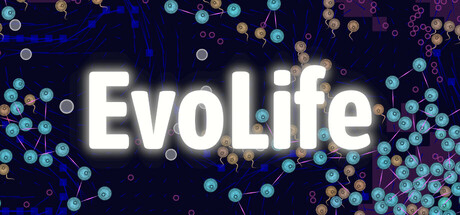 Simulation
EvoLife
Mihaly SisakFor:Simulation players interested in how single-celled organisms could develop cooperative multicellular formsSkip if:Players seeking direct control over individual creatures may find the simulation primarily observational and systems-drivenPicked by overlapping fit notes and genres, not an editorial comparison.
Species: Artificial Life, Real Evolution: platforms & release
Is Species: Artificial Life, Real Evolution worth it?
It is worth it if: players interested in natural selection who want to observe populations change without directing them. Skip it if: players seeking a goal-driven campaign may find the open-ended simulation lacks a stated sequence of objectives.
Where can I download Species: Artificial Life, Real Evolution?
Use the Download Now button on this page: it opens Species: Artificial Life, Real Evolution's store page, where you can choose how to get it.
What platforms is Species: Artificial Life, Real Evolution on?
Windows, macOS and Linux.