
Fit check
Is Master of Command worth it for you?
We tell you who should skip it, too.
Play it if you…
Good fit- Strategy players who want real-time battles shaped by morale, stamina, terrain, and formations
- Players who enjoy managing supplies, replacements, officers, equipment, and regiment development across a campaign
- Fans of 18th-century European military settings who want to recruit from historically named forces
Skip it if you…
Saves you a refund- Players seeking a relaxed strategy game may find scarce resources, difficult choices, and unforgiving combat demanding
- Players who prefer fixed and predictable scenarios may not enjoy procedurally generated regions and changing enemy behavior
- Players looking for turn-based battles may prefer a game built around discrete actions rather than real-time engagements
- Players seeking fantasy, science-fiction, or modern military settings may find the Seven Years’ War setting too specific
Our take on Master of Command
The game ties campaign progress to army upkeep, so battlefield command is accompanied by supply decisions, recruitment, trading, and equipment management. That broader structure leaves less room for players who want battles without responsibility for the force between engagements.
What is Master of Command?
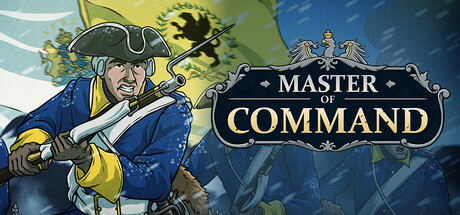
Set during the Seven Years’ War, Master of Command puts players in charge of an army moving through procedurally generated regions.
A real-time campaign map includes fog of war, branching encounters, villages, wreckage, survivors, and mobile enemy forces. Battles use morale, stamina, terrain, formations, and timing to determine outcomes. Regiments can receive historical weapons and equipment that change attributes such as accuracy, reload speed, stamina, and morale. Units gain experience, officers develop traits, and army choices continue across each region.
Supplies, replacements, recruitment, trade, and captured equipment must be managed throughout the campaign. Towns and villages may offer troops, provisions, artillery, ammunition, horses, or officers. The roster contains more than 150 units from five European powers, each with distinct roles and statistics.
How Master of Command plays
- 01Real-Time Campaigns
- Generated regions contain shifting enemy forces, branching encounters, and terrain that affects movement, provisions, and battles.
- 02Regiment Customization
- Historical weapons and equipment modify attributes including accuracy, reload speed, stamina, and morale.
- 03Persistent Army
- Units gain experience and officers develop traits while decisions carry forward through each campaign region.
- 04Resource Management
- Recruitment, trading, captured equipment, provisions, and replacements all contribute to keeping the army supplied.
- 05Historical Roster
- More than 150 units from five European powers have distinct roles, statistics, and battlefield characteristics.
Master of Command compared to similar games
Men of War: Assault Squad focuses on large-scale World War II combat with direct control of units, while Master of Command combines real-time battles with army supplies, regiment customization, and procedural campaigns. Xenonauts uses turn-based small-squad operations against extraterrestrials on a Cold War-era Earth, rather than real-time campaigns centered on 18th-century European armies.
Master of Command: platforms & release
Is Master of Command worth it?
It is worth it if: strategy players who want real-time battles shaped by morale, stamina, terrain, and formations. Skip it if: players seeking a relaxed strategy game may find scarce resources, difficult choices, and unforgiving combat demanding.
Where can I download Master of Command?
Use the Download Now button on this page: it opens Master of Command's store page, where you can choose how to get it.
What platforms is Master of Command on?
Windows only.
Keep looking
More from Armchair Interactive
All games →