Fit check
Is Making History II: The War of the World worth it for you?
We tell you who should skip it, too.
Play it if you…
Good fit- Grand-strategy players who want to direct national policy and military operations together
- World War II fans who want to alter the conflict's outcome
- Players who enjoy managing economies, colonies, research, and internal politics in one campaign
Skip it if you…
Saves you a refund- Players seeking a short, focused strategy game rather than a large-scale national simulation
- Players who prefer straightforward combat without logistics, economic management, or domestic unrest
- Players looking for a fantasy or science-fiction setting instead of World War II
Our take on Making History II: The War of the World
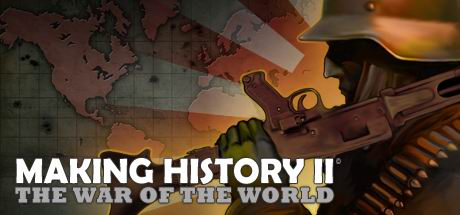
Its defining structure is control across several national layers: cities, regions, colonies, economies, politics, and military units all operate within one alternate World War II campaign.
What is Making History II: The War of the World?
Lead a nation during the period before and throughout World War II across a map with over 1000 land and sea regions.
Control cities, regions, colonies, and military units while developing production, research, transport, defenses, and resource networks. The economic system covers production, resources, consumption, trade, debt, wealth, and inflation, with supplies supporting industry and domestic stability. Research weapon systems and tactical improvements, then repair, reinforce, and upgrade military forces. Operations include logistics, supply, air missions, and unit-specific properties. Political management includes espionage, support for counter-government groups, revolts, coups, civil war, puppet states, liberation, and annexation. Hundreds of land, sea, and air units represent major and minor powers, while AI reacts and adapts to changing game conditions.
How Making History II: The War of the World plays
- 01Global WWII Map
- The campaign spans over 1000 land and sea regions and permits selection of any nation from the era.
- 02Economic Management
- Production, resources, consumption, trade, debt, wealth, and inflation connect national finances with industrial activity.
- 03Military Development
- Forces can receive repairs, reinforcements, upgrades, and research-based improvements to weapons and tactics.
- 04Domestic Politics
- Cultural, ethnic, religious, and ideological divisions can contribute to revolts, coups, and civil war.
- 05Colonial Administration
- Colonies can be managed while territories may be liberated, annexed, or organized as puppet states.
Making History II: The War of the World compared to similar games
Xenonauts focuses on defending Earth from aliens with turn-based combat and small squads of persistent soldiers, while Making History II covers national economies, territories, politics, and conventional World War II forces. Old World follows empires across multiple generations with leaders, marriages, heirs, and legacy management; Making History II instead centers on wartime administration across land and sea regions.
Making History II: The War of the World: platforms & release
Is Making History II: The War of the World worth it?
It is worth it if: grand-strategy players who want to direct national policy and military operations together. Skip it if: players seeking a short, focused strategy game rather than a large-scale national simulation.
Where can I download Making History II: The War of the World?
Use the Download Now button on this page: it opens Making History II: The War of the World's store page, where you can choose how to get it.
What platforms is Making History II: The War of the World on?
Windows, macOS and Linux.