
Fit check
Is Falling Stars: War of Empires worth it for you?
We tell you who should skip it, too.
Play it if you…
Good fit- Strategy players who want fleet battles alongside diplomacy
- Tabletop-inspired players who prefer configurable match rules
- Science-fiction fans interested in planetary exploration and political consequences
Skip it if you…
Saves you a refund- Players seeking short, fixed-length matches may find the possible duration of 60 minutes to several days too broad
- Players looking for a narrow combat-focused strategy game may find diplomacy, exploration, and political agendas too central
- Players who prefer small-scale battles may not want fleet engagements involving hundreds of ships
Our take on Falling Stars: War of Empires
Rather than keeping diplomacy separate from combat, the game ties planetary relationships, political agendas, and fleet actions to changing rules and consequences. Its configurable match length also replaces the fixed session structure common to many strategy games.
What is Falling Stars: War of Empires?
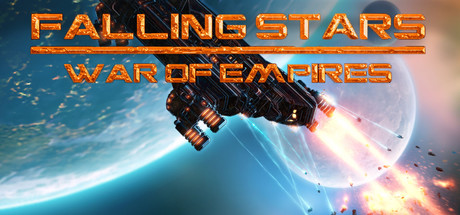
Falling Stars: War of Empires is a digital tabletop strategy game about leading an interplanetary empire.
Players direct fleets of hundreds of ships, change formations, issue tactical orders, and fight opposing forces. Exploration covers hundreds of planets, each with its own history, diplomatic effects, allies, and enemies. Relations can produce different outcomes, including access to technology and resources or unrest elsewhere.
Political agendas can alter the game’s rules, while the Strategic Action mechanic develops during play and adds new strategic choices. Match lengths range from 60 minutes to several days, with settings for galaxy size, resources, victory conditions, technology progression, and other elements. Online games can also be completed in one sitting, with AI that may cooperate or oppose players based on their actions.
How Falling Stars: War of Empires plays
- 01Fleet Command
- Battles involve hundreds of ships, with formation changes and tactical orders directing attacks.
- 02Planetary Diplomacy
- Relationships, local histories, and rivalries shape effects such as unrest, technology offers, and resource access.
- 03Configurable Matches
- Players can adjust galaxy scale, density, victory goals, resources, and the pace of technological development.
- 04Evolving Strategy
- The Strategic Action system gains levels during a match and provides changing strategic options.
- 05Variable Game Length
- Matches can last from 60 minutes to several days, while online sessions can be completed in one sitting.
- 06Reactive AI
- Computer-controlled factions may support or oppose the empire according to player actions.
Falling Stars: War of Empires compared to similar games
Xenonauts centers on turn-based small-squad operations against an alien invasion, while Falling Stars: War of Empires uses large fleet battles, planetary diplomacy, and adjustable galaxy rules. Ashes of the Singularity: Escalation focuses on managing vast armies across a world, whereas Falling Stars adds political agendas and individual planetary relationships. Old World follows an empire across generations with marriage, heirs, and historical leadership; Falling Stars instead emphasizes interplanetary exploration, fleet command, and configurable match conditions.
Falling Stars: War of Empires: platforms & release
Is Falling Stars: War of Empires worth it?
It is worth it if: strategy players who want fleet battles alongside diplomacy. Skip it if: players seeking short, fixed-length matches may find the possible duration of 60 minutes to several days too broad.
Where can I download Falling Stars: War of Empires?
Use the Download Now button on this page: it opens Falling Stars: War of Empires's store page, where you can choose how to get it.
What platforms is Falling Stars: War of Empires on?
Windows only.