 Action
Fit check
Is Crimson Theory worth it for you?
We tell you who should skip it, too.
Play it if you…
Good fit- Psychological horror fans who want story clues tied to dreams and memory
- Adventure players who prefer symbolic puzzles over action-focused progression
- Players who enjoy surreal mysteries involving parallel realities
Skip it if you…
Saves you a refund- Players seeking sustained action may find the emphasis on exploration, investigation, and puzzles too slow
- Those wanting open-ended replayability may find the story-led structure restrictive
- Players who prefer clear, realistic narratives may dislike dream logic and symbolic storytelling
Our take on Crimson Theory
Rather than treating sleep as downtime, the game makes it part of progression: dreams expose clues, memories, and enemies. Its horror structure also shifts the central threat inward, replacing a straightforward escape story with a confrontation involving identity and trauma.
What is Crimson Theory?
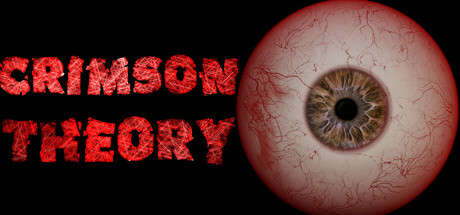
Crimson Theory is a psychological horror game set between an abandoned home, a distorted hospital, and dreamlike spaces.
The protagonist wakes without memories and finds handwritten notes pointing toward an unexplained experiment. Progress involves moving between a familiar reality and its altered counterpart to find clues and uncover the story. Sleeping opens access to concealed symbols, memories, and enemies called Night Watchers, which appear only in dreams. Symbolic puzzles connect creatures and symbols to past traumas, while the mystery develops around guilt, trauma, and forgotten truths. The story presents the protagonist as caught between life and death, with the final confrontation centered on facing the self rather than simply escaping the setting.
How Crimson Theory plays
- 01Dual Realities
- Shift between ordinary surroundings and a warped realm to uncover clues and investigate the mystery.
- 02Dream-Based Progression
- Sleeping reveals hidden symbols and memories while exposing the protagonist to Night Watchers that appear only in dreams.
- 03Symbolic Puzzles
- Interpret the meaning of creatures and symbols to understand the nightmare and progress.
- 04Trauma-Focused Mystery
- The investigation connects the protagonist’s past traumas to an experiment involving life, death, and memory.
Games like Crimson Theory
Action Action
Adam - Lost Memories
AdamDubiGamesFor:Psychological horror fans who want trauma-focused storytellingSkip if:Players seeking combat-heavy horror, supernatural enemies, or frequent jump scares Action
A Dream For Aaron
Vidas SalavejusFor:First-person shooter fans who want changing maps and encounters between playsSkip if:Players seeking a tightly authored shooter campaign with the same stages and encounters on every run Action
Photonic Distress
GRIP420For:Players who enjoy platforming and puzzle-solving with first- or third-person viewpointsSkip if:Players seeking a fixed, hand-crafted campaign with predictable level layoutsPicked by overlapping fit notes and genres, not an editorial comparison.
Crimson Theory: platforms & release
Is Crimson Theory worth it?
It is worth it if: psychological horror fans who want story clues tied to dreams and memory. Skip it if: players seeking sustained action may find the emphasis on exploration, investigation, and puzzles too slow.
Where can I download Crimson Theory?
Use the Download Now button on this page: it opens Crimson Theory's store page, where you can choose how to get it.
What platforms is Crimson Theory on?
Windows only.