
Fit check
Is 1953: NATO vs Warsaw Pact worth it for you?
We tell you who should skip it, too.
Play it if you…
Good fit- Fans of traditional hex wargames who want a large European campaign
- Players interested in alternate-history Cold War conflicts with nuclear brinkmanship
- Strategy players who prefer long-form solo or same-PC multiplayer sessions
Skip it if you…
Saves you a refund- Players seeking short matches may find the long turn processing times restrictive
- Players who prefer guided interfaces may find the classic presentation and lack of hand-holding demanding
- Players looking for direct, hands-on combat rather than system-heavy operational strategy
- Players seeking a fantasy, prison-escape, or alien-invasion setting
Our take on 1953: NATO vs Warsaw Pact
Rather than focusing on individual battles, the game shifts the genre toward a large operational simulation of a fictional Cold War. Diplomacy, coups, sabotage, supply conditions, technology, and nuclear brinkmanship sit alongside battlefield decisions across a map of more than 40,000 tiles.
What is 1953: NATO vs Warsaw Pact?
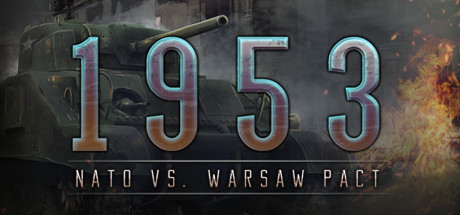
Set in an alternate 1953 where Stalin’s death triggers a Third World War, this turn-based wargame covers Europe on a hex map exceeding 40,000 tiles.
Players command forces from more than 30 nations, including the US, UK, France, USSR, East Germany, and Poland. Campaign systems include five technology trees, nuclear weapons, logistics, air and naval upgrades, sabotage, coups, diplomacy, and supply factors such as weather, fuel, morale, and fog of war. The game supports solo play and hotseat matches between two people on one PC. It uses a classic interface and includes long turn processing times.
How 1953: NATO vs Warsaw Pact plays
- 01Large European Map
- The campaign uses a European hex map with more than 40,000 tiles and historical geography and borders.
- 02Multiple Playable Nations
- Command forces from over 30 countries, including the United States, United Kingdom, France, the USSR, East Germany, and Poland.
- 03Five Technology Trees
- Research paths cover nuclear arms, logistics, and improvements for air and naval forces.
- 04Political Operations
- Sabotage, coups, and influence over neutral countries add noncombat actions to the campaign.
- 05Detailed Supply Systems
- Weather, fuel, morale, and limited battlefield information affect military operations.
- 06Hotseat Multiplayer
- Two people can play against each other on the same PC.
1953: NATO vs Warsaw Pact compared to similar games
Men of War: Assault Squad focuses on World War II battles with direct control of individual units and hands-on combat, while 1953: NATO vs Warsaw Pact models a fictional Cold War conflict through turn-based, hex-based operations. Xenonauts centers on defending a Cold War-era Earth from extraterrestrials with small squads of persistent soldiers, whereas 1953: NATO vs Warsaw Pact covers more than 30 nations, diplomacy, supply, and nuclear weapons.
1953: NATO vs Warsaw Pact: platforms & release
Is 1953: NATO vs Warsaw Pact worth it?
It is worth it if: fans of traditional hex wargames who want a large European campaign. Skip it if: players seeking short matches may find the long turn processing times restrictive.
Where can I download 1953: NATO vs Warsaw Pact?
Use the Download Now button on this page: it opens 1953: NATO vs Warsaw Pact's store page, where you can choose how to get it.
What platforms is 1953: NATO vs Warsaw Pact on?
Windows only.