Fit check
Is Raining Blood: Hellfire worth it for you?
We tell you who should skip it, too.
Play it if you…
Good fit- Bullet-hell players who want repeated runs built around weapon upgrades
- Build-focused players who enjoy combining runes, passives, and elemental effects
- Action players who want frantic battles against demonic hordes and bosses
Skip it if you…
Saves you a refund- Players seeking a relaxed pace may hit a wall during the frantic, relentless horde encounters
- Players who prefer simple loadouts may find the weapon, rune, path, and passive systems too demanding to manage
- Players looking specifically for multiplayer shooting may not find the listed solo survival structure suitable
Our take on Raining Blood: Hellfire
The bounce point arrives when combat builds demand constant system management: weapon choices, rune effects, five upgrade paths, passive abilities, and changing enemy vulnerabilities all compete for attention during frantic horde encounters.
What is Raining Blood: Hellfire?
Raining Blood: Hellfire is a survival bullet-hell game built around repeated combat runs.
Players fight demonic hordes, explore brutal levels, defeat bosses, and rebuild after each death. More than 50 weapons include flamethrowers, grenades, elemental guns, and rotary machine guns. Runes modify weapons and abilities with effects such as multishot, orbital blades, and elemental bursts. Five upgrade paths—Time, Luck, Focus, Power, and Balance—support different build directions, while more than 76 passive abilities allow further customization. Elemental interactions include water extinguishing fire, fire igniting gas, and electricity surging through moisture. Attacks can freeze, burn, bleed, or shock enemies, which adapt by gaining resistances and vulnerabilities during battles.
How Raining Blood: Hellfire plays
- 01Weapon Arsenal
- More than 50 weapons include flamethrowers, grenades, elemental guns, and rotary machine guns.
- 02Rune Modifiers
- Runes add effects such as multishot, orbital blades, and elemental bursts to weapons and abilities.
- 03Five Upgrade Paths
- Time, Luck, Focus, Power, and Balance let players stack upgrades within a chosen direction.
- 04Passive Build Options
- More than 76 passive abilities support different combinations and playstyles.
- 05Elemental Combat
- Fire, water, gas, and electricity interact during battles, while attacks can cause freezing, burning, bleeding, or shocking.
- 06Adaptive Enemies
- Enemies change their resistances and vulnerabilities according to their current state.
Raining Blood: Hellfire compared to similar games
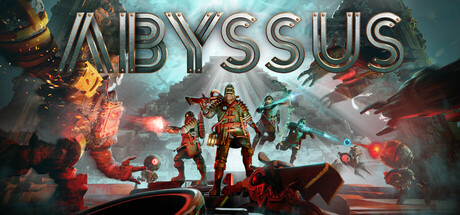
Raining Blood: Hellfire centers on solo survival bullet-hell runs with more than 50 weapons, rune modifications, elemental interactions, and extensive passive build choices. Abyssus instead focuses on multiplayer roguelite shooting, handcrafted levels, tactical play, and brine-powered weapons that can be refitted with ancient technologies.
Raining Blood: Hellfire: platforms & release
Is Raining Blood: Hellfire worth it?
It is worth it if: bullet-hell players who want repeated runs built around weapon upgrades. Skip it if: players seeking a relaxed pace may hit a wall during the frantic, relentless horde encounters.
Where can I download Raining Blood: Hellfire?
Use the Download Now button on this page: it opens Raining Blood: Hellfire's store page, where you can choose how to get it.
What platforms is Raining Blood: Hellfire on?
Windows only.