
Fit check
Is Once Upon A Tile worth it for you?
We tell you who should skip it, too.
Play it if you…
Good fit- Strategy players who enjoy planning routes around traps and enemies
- Rogue-lite fans who want procedurally generated dungeon-decks
- Puzzle players who prefer indirect hero guidance over direct movement
Skip it if you…
Saves you a refund- Players who require direct movement control may hit a wall when the hero follows shortest paths to discovered rooms.
- Players who prefer simple routes may struggle with placing tiles while weighing traps, monsters, objectives, luck, and strategic planning.
- Players seeking a dungeon game centered on direct character control may find the tile-placement structure unsuitable.
Our take on Once Upon A Tile
The bounce point is the movement system: tile placement guides the hero, but does not directly move them. Players who want immediate control may stop at the first newly discovered room, when the shortest-path rule takes over.
What is Once Upon A Tile?
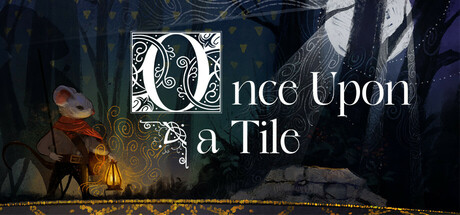
Once Upon A Tile is a rogue-lite strategic dungeon-builder in which tile placement guides a hero instead of direct movement.
The hero follows the shortest paths to newly discovered dungeon rooms, making every placed tile part of the route. Dungeons contain monsters, traps, and magical challenges, while objectives can include reaching the end of a dangerous corridor, defeating a certain number of monsters, or collecting enough treasure. Players must decide which paths to build and avoid traps or enemies that cannot yet be defeated. The game includes procedurally generated dungeon-decks, unlockable and upgradable characters, and a fully voiced storyline that depends on the chosen character. Each dungeon requires strategic planning alongside some luck.
How Once Upon A Tile plays
- 01Indirect Hero Guidance
- The hero takes the shortest paths to newly discovered rooms rather than being moved directly.
- 02Procedural Dungeon Decks
- Dungeon-decks support changing environments and repeated play.
- 03Variable Dungeon Goals
- Objectives can involve reaching a destination, defeating a required number of monsters, or collecting sufficient treasure.
- 04Character Progression
- Characters can be unlocked and upgraded, and the selected character determines the storyline.
- 05Fully Voiced Story
- The narrative is voiced and changes according to the character selected for play.
Once Upon A Tile compared to similar games
Shogun Showdown focuses on turn-based combat, attack-tile upgrades, skill selection, and deck building before facing the Shogun, while Once Upon A Tile centers on placing dungeon tiles to guide a hero through changing objectives. Shadow Gambit: The Cursed Crew uses real-time stealth strategy in a fantastical Caribbean setting, whereas Once Upon A Tile uses dungeon-building, shortest-path guidance, traps, and monsters.
Once Upon A Tile: platforms & release
Is Once Upon A Tile worth it?
It is worth it if: strategy players who enjoy planning routes around traps and enemies. Skip it if: players who require direct movement control may hit a wall when the hero follows shortest paths to discovered rooms.
Where can I download Once Upon A Tile?
Use the Download Now button on this page: it opens Once Upon A Tile's store page, where you can choose how to get it.
What platforms is Once Upon A Tile on?
Windows only.