
Fit check
Is Obsidian Prince worth it for you?
We tell you who should skip it, too.
Play it if you…
Good fit- Tactical RPG players who want turn-based dungeon combat with deck-building decisions
- Roguelike fans who want both high-score runs and a story campaign
- Players who enjoy creating varied heroes through classes, training, weapons, and artifacts
Skip it if you…
Saves you a refund- Players who want low-consequence combat may hit a wall when poor decisions can send a hero to the grave.
- Players seeking predictable dungeon runs may struggle with procedurally generated dungeons and changing hero histories.
- Players looking for real-time strategy may not fit a game built around turn-by-turn movement and ability choices.
- Players wanting a game without deck management may not fit a combat system built around inspirations and corresponding skills.
Our take on Obsidian Prince
The bounce point comes when combat demands deliberate movement, ability timing, and deck management at once. Players who treat turns casually can lose a hero, while those seeking predictable dungeon runs must adapt to procedurally generated environments.
What is Obsidian Prince?
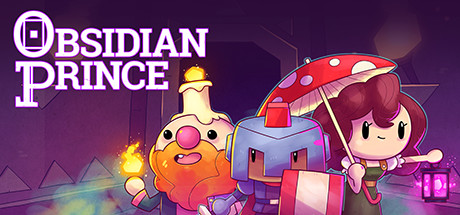
Obsidian Prince combines turn-based tactical combat, deck building, and roguelike dungeon runs.
Each turn, players draw three inspirations and activate them through matching skills, making deck composition part of combat preparation. Heroes come from nine classes with distinct abilities, weapons, and backstories that develop during play. The campaign includes quests, new areas, allies, hidden dungeons, and a base that can be expanded with buildings offering bonuses, shopping opportunities, or new classes. Dungeons are procedurally generated from handcrafted rooms. Players can loot, buy, or earn weapons and artifacts, then mix equipment across heroes rather than being restricted to class-specific choices. Roguelike Mode focuses on high scores, while Campaign Mode follows Emalon’s story and kingdom-building progression.
How Obsidian Prince plays
- 01Turn-Based Tactics
- Dungeon encounters require planning movement and abilities while facing increasingly difficult enemies.
- 02Inspiration Decks
- Three inspirations are drawn each turn and activated through corresponding skills, making deck composition part of combat preparation.
- 03Nine Hero Classes
- Each class has its own abilities, starting weapons, and backstory that develops during play.
- 04Evolving Backstories
- Training choices and adventures alter recruited heroes and affect how they play.
- 05Base Expansion
- Collected resources and schematics can add buildings that provide bonuses, shopping opportunities, or access to classes.
- 06Flexible Equipment
- Heroes can combine weapons across class boundaries, with 17 unique weapons and additional artifacts available.
- 07Two Game Modes
- Campaign Mode covers quests, exploration, and kingdom development, while Roguelike Mode centers on high-score runs.
Obsidian Prince compared to similar games
Shogun Showdown also combines turn-based combat, deck building, attack-tile upgrades, and roguelike progression, while Obsidian Prince adds nine classes, evolving hero backstories, quests, kingdom expansion, and two game modes. Back to the Dawn is an RPG about surviving and escaping a maximum-security prison through investigation and combat, whereas Obsidian Prince focuses on fantasy dungeon battles, equipment combinations, and base development.
Obsidian Prince: platforms & release
Is Obsidian Prince worth it?
It is worth it if: tactical RPG players who want turn-based dungeon combat with deck-building decisions. Skip it if: players who want low-consequence combat may hit a wall when poor decisions can send a hero to the grave.
Where can I download Obsidian Prince?
Use the Download Now button on this page: it opens Obsidian Prince's store page, where you can choose how to get it.
What platforms is Obsidian Prince on?
Windows only.
Keep looking
More from Unleash The Giraffe
All games →