Simulation
Fit check
Is Kasi worth it for you?
We tell you who should skip it, too.
Play it if you…
Good fit- Players who want a plant-growing simulation rather than a character-focused game
- Creative players who prefer deciding how a plant develops
- Casual players interested in day-night environmental changes and minimalist presentation
Skip it if you…
Saves you a refund- Players seeking complex simulation systems may find the intentionally simple structure limited
- Players who prefer detailed visual presentation may not favor the minimalist aesthetic
- Players looking for gameplay centered on characters or combat may not find the plant-growth focus suitable
Our take on Kasi
Plant simulations often focus on cultivation within a fixed system, but Kasi makes the plant's form the central activity. Height, spread, branching, roots, vines, leaves, flowers, and fruit become the structure of play, replacing a conventional avatar or building-based progression.
What is Kasi?
Kasi is a plant-focused simulation in which growth depends on balancing water and sunlight.
Starting as a seed, the plant develops roots to gather water and branches and leaves to collect light, producing energy for further growth. Its shape is player-directed: it can become a tall tree, a low hedge, or a vine spreading along branches and the ground. Different leaves gather sunlight or moonlight, while flowers can be pollinated and produce fruit. The environment cycles between day and night, with rain, moving celestial bodies, eclipses, stars that provide additional nighttime light, birds, and creatures that may shelter in the leaves or fertilize the plant. The game uses a minimalist visual style.
How Kasi plays
- 01Plant Shaping
- Growth can be directed upward into a tree, kept low as a hedge, or extended through winding vines.
- 02Light Collection
- Standard leaves gather sunlight, while special leaves gather moonlight.
- 03Changing Environment
- Day and night cycles include rain, eclipses, moving celestial bodies, and nighttime stars that add light.
- 04Plant Interactions
- Flowers can produce fruit after pollination, and visiting creatures may fertilize the plant.
Games like Kasi
Simulation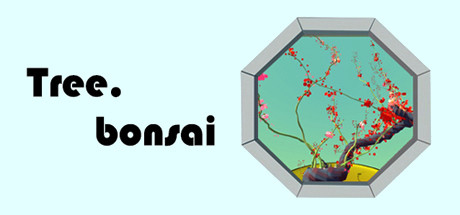 Simulation
Tree Bonsai
PanGuoJunFor:Casual players who want a slow-growing nature simulation rather than fast actionSkip if:Players seeking constant action or frequent moment-to-moment input may find the automatic growth too passive Simulation
Flower Design Ⅱ
PanGuoJunFor:Players interested in artistic floral arrangements who want to change plant appearancesSkip if:Players seeking a deep floral arrangement simulation with extensive systems beyond changing plants and displaying arrangements Simulation
Desk Garden
Siesta StudioFor:Players who want a low-input garden that grows during work or studySkip if:Players who need frequent action or direct control may bounce off the idle growth system.Picked by overlapping fit notes and genres, not an editorial comparison.
Kasi: platforms & release
Is Kasi worth it?
It is worth it if: players who want a plant-growing simulation rather than a character-focused game. Skip it if: players seeking complex simulation systems may find the intentionally simple structure limited.
Where can I download Kasi?
Use the Download Now button on this page: it opens Kasi's store page, where you can choose how to get it.
What platforms is Kasi on?
Windows only.