Fit check
Is Lost In The Open worth it for you?
We tell you who should skip it, too.
Play it if you…
Good fit- Roguelike RPG players who want a campaign built around protecting one vulnerable leader
- Strategy players who enjoy party development and positional combat
- Players who prefer consequential travel decisions over a linear route
Skip it if you…
Saves you a refund- Players seeking forgiving combat may hit a wall when Nrvesk's death ends the run.
- Players wanting a relaxed or highly repetitive battle loop may struggle with the demanding fights, traps, flanking, and pursuit.
- Players looking for a pure action game may find the recruitment, equipment, and resource decisions too involved.
- Players who prefer fixed character roles may not enjoy shaping recruits into specialists or generalists.
Our take on Lost In The Open
The bounce point arrives when Nrvesk becomes the single failure condition. Players who can accept losing a run after the king dies may continue experimenting; those expecting recoverable party losses will hit the wall in the first lethal mistake.
What is Lost In The Open?
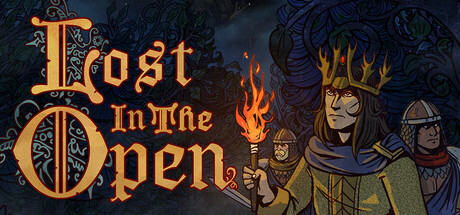
After surviving an assassination attempt, King Nrvesk must cross dangerous territory while a pursuing army closes in.
Tactical battles revolve around protecting him: if he dies, the run ends. Enemies reposition allies, set traps, and coordinate flanking attacks, requiring attention to their weaknesses and battlefield placement. Between fights, choose routes, respond to events, pay tolls, trade with merchants, and aid strangers. A recruit roster can be trained toward specialist roles or broader abilities, then equipped with trinkets, weapon attachments, and armor upgrades. Resources must be divided between character traits, equipment improvements, and maintaining companions. The journey uses roguelike structure, difficult decisions, and consequences that carry through each attempt.
How Lost In The Open plays
- 01King-centered survival
- The campaign ends when Nrvesk falls in battle, making his protection central to every encounter.
- 02Tactical enemy behavior
- Opponents can displace allies, draw the party into traps, and work together to attack from the sides.
- 03Branching travel choices
- Routes expose the party to different risks, while events can present tolls, beasts, bandits, or pursuit.
- 04Recruit development
- Companions can specialize or remain versatile, with roles such as melee attackers, defenders, and archers.
- 05Resource allocation
- Rewards and trade goods support traits, abilities, equipment, and the ongoing needs of companions.
Lost In The Open compared to similar games
Back to the Dawn is an RPG about surviving prison, investigating crime, and escaping a maximum-security facility, while Lost In The Open centers on a fugitive king crossing hostile terrain. Shogun Showdown focuses on turn-based positioning, attack-tile upgrades, combo building, and deck construction before confronting the Shogun; Lost In The Open instead develops a roster of recruits and manages equipment and journey resources.
Lost In The Open: platforms & release
Is Lost In The Open worth it?
It is worth it if: roguelike RPG players who want a campaign built around protecting one vulnerable leader. Skip it if: players seeking forgiving combat may hit a wall when Nrvesk's death ends the run.
Where can I download Lost In The Open?
Use the Download Now button on this page: it opens Lost In The Open's store page, where you can choose how to get it.
What platforms is Lost In The Open on?
Windows only.