Fit check
Is Illusion: A Tale of the Mind worth it for you?
We tell you who should skip it, too.
Play it if you…
Good fit- Players who want story-led puzzle exploration in a surreal setting
- Adventure fans interested in psychological themes and early-1920s Parisian atmosphere
- Players who prefer dark narratives centered on memory, mortality, and family
Skip it if you…
Saves you a refund- Players seeking combat systems or action-focused gameplay may hit a wall because the core structure centers on puzzles and exploration.
- Players looking for a light or broadly humorous tone may bounce off the game's dark treatment of war, death, and psychological damage.
- Players wanting an open-ended adventure may find the mind-based journey more focused and narrative-led than freely structured.
Our take on Illusion: A Tale of the Mind
The likely bounce point arrives when the game turns inward: players expecting combat or conventional Paris exploration instead enter fractured memories shaped by a captor's damaged psyche. The combination of puzzles, surreal imagery, and wartime horror sets the tone early.
What is Illusion: A Tale of the Mind?
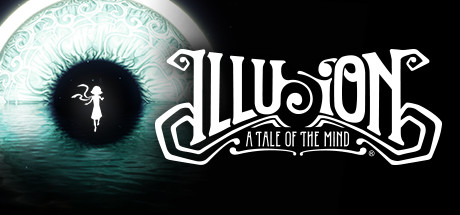
Illusion: A Tale of the Mind is a puzzle exploration game set against an early-1920s Parisian cabaret atmosphere.
Players follow Emma, a young girl trapped inside the mind of a mad man, as she tries to save her father from a sinister illusionist. The journey moves through fractured memories and psychological wounds belonging to her captors. Its world combines striking mental landscapes with surrealist-inspired art, while the story addresses the Great War, mortality, and the fragility of life. The game presents a dark narrative in which beauty and death appear together, with exploration and puzzles forming the central interaction.
How Illusion: A Tale of the Mind plays
- 01Psychological Journey
- Emma travels through the minds of her captors while searching for a way to save her father.
- 02Surreal Art Direction
- The game combines dreamlike environments with imagery influenced by surrealism.
- 03War-Torn Story
- The narrative deals with the effects of the Great War and the vulnerability of human life.
Illusion: A Tale of the Mind compared to similar games
Illusion: A Tale of the Mind focuses on puzzle exploration through a surreal psychological world, while Jusant centers on climbing, stamina management, route choice, and environmental discovery. Planescape: Torment: Enhanced Edition is a story-driven RPG about exploring a dangerous city, adding role-playing structure rather than Illusion's puzzle-led mindscapes.
Illusion: A Tale of the Mind: platforms & release
Is Illusion: A Tale of the Mind worth it?
It is worth it if: players who want story-led puzzle exploration in a surreal setting. Skip it if: players seeking combat systems or action-focused gameplay may hit a wall because the core structure centers on puzzles and exploration.
Where can I download Illusion: A Tale of the Mind?
Use the Download Now button on this page: it opens Illusion: A Tale of the Mind's store page, where you can choose how to get it.
What platforms is Illusion: A Tale of the Mind on?
Windows only.